Tokens2Paid
Enterprise-grade AI cost intelligence platform that aggregates usage across 15+ providers, detects spending anomalies in real-time, tracks financial data via Plaid integration, and delivers smart optimization recommendations with automated budget alerting.
Tokens2Paid
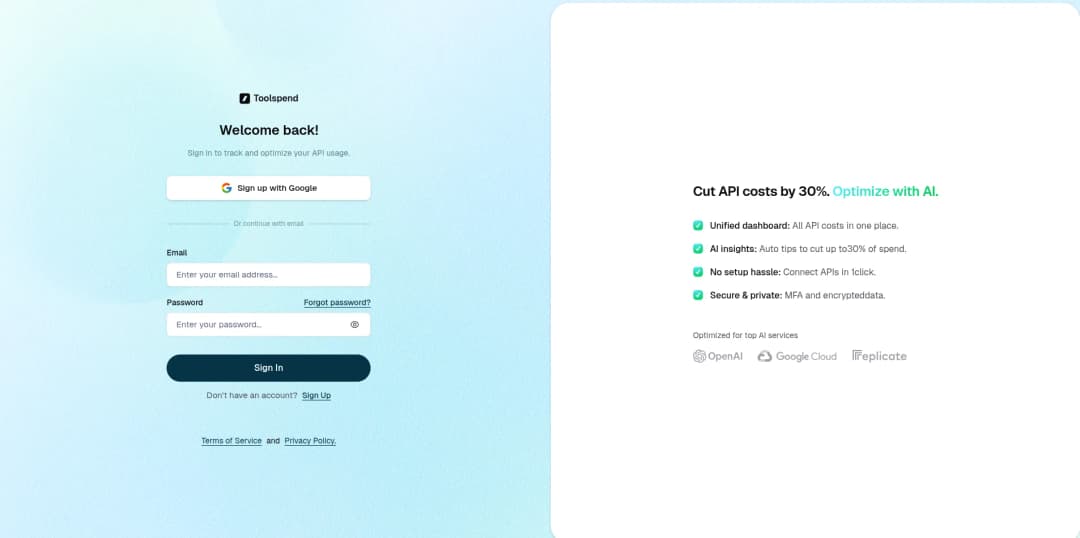
AI-Powered Cost Intelligence for AI Services
Overview
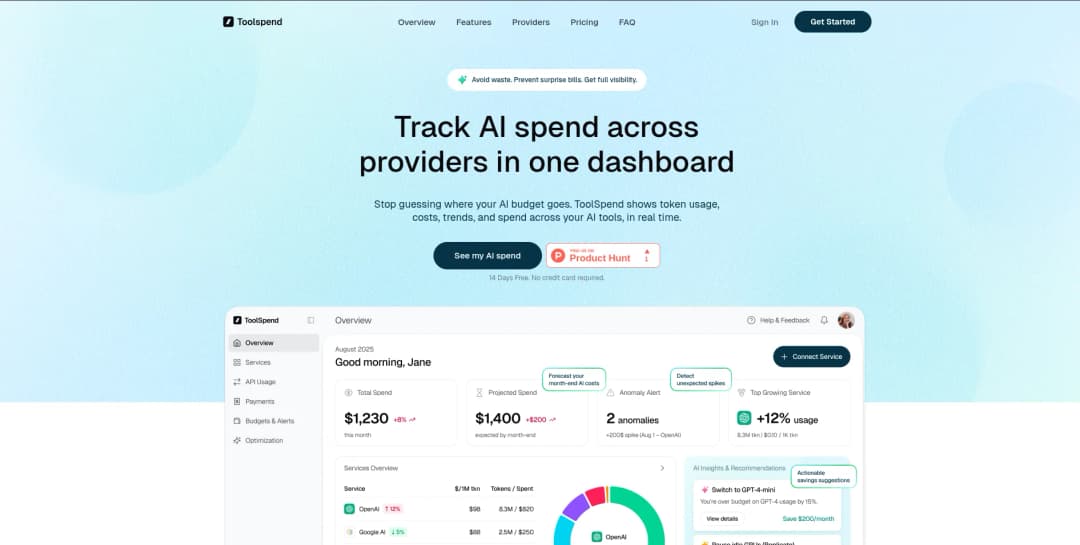
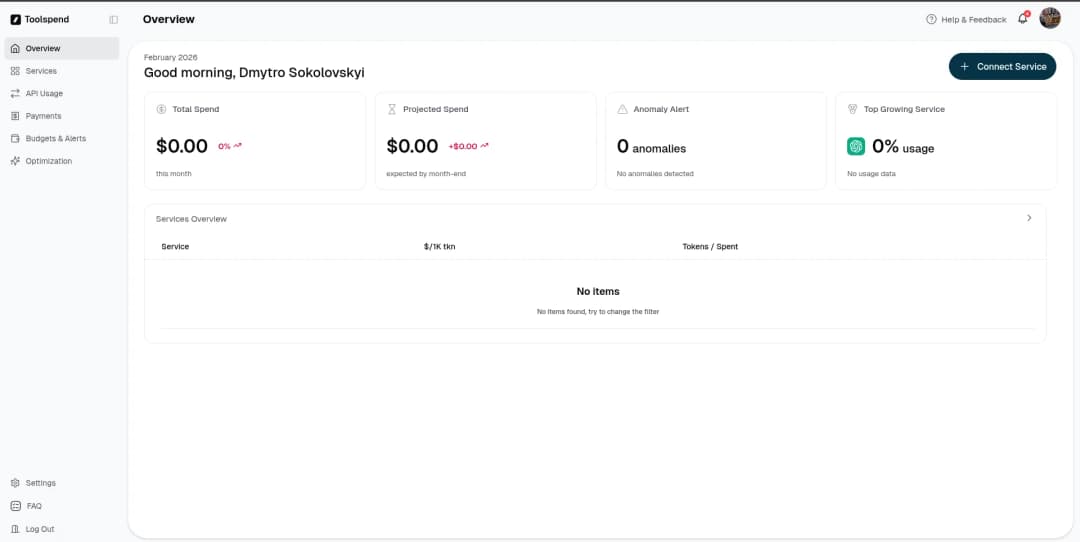
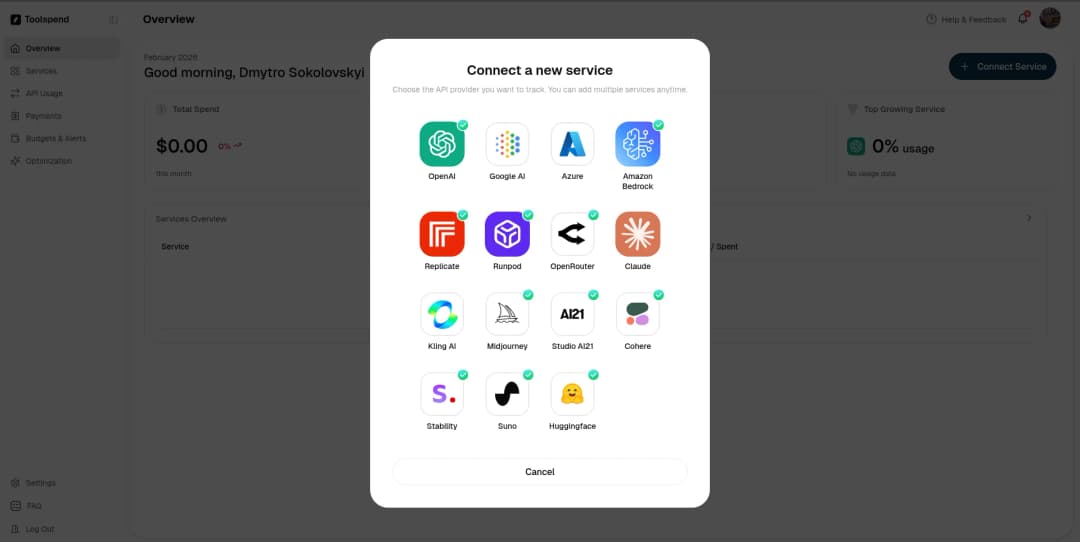
Tokens2Paid is an enterprise-grade platform designed to help organizations monitor, analyze, and optimize their spending on AI services. The platform aggregates usage data from over 15 AI providers, provides real-time anomaly detection, integrates with financial systems via Plaid, and offers intelligent recommendations for cost optimization.
Challenge
Organizations using multiple AI services often struggle to gain visibility into their spending patterns, detect unusual usage that could indicate security issues or waste, and optimize their AI investments. Without proper monitoring tools, companies can overspend significantly on AI services without realizing it.
Solution
As the Core/Lead Frontend Engineer, I designed and implemented the client-side architecture using React, Redux Toolkit, and TypeScript. I focused on building scalable, modular UI components and ensuring seamless integration with the backend APIs to deliver a high-performance user experience.
Key Features
Multi-Provider Integration
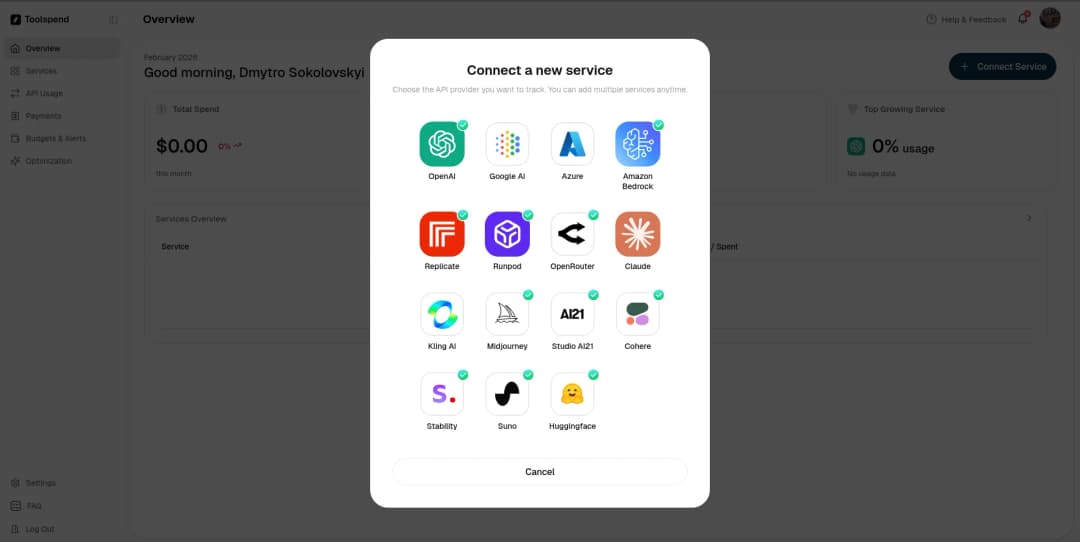
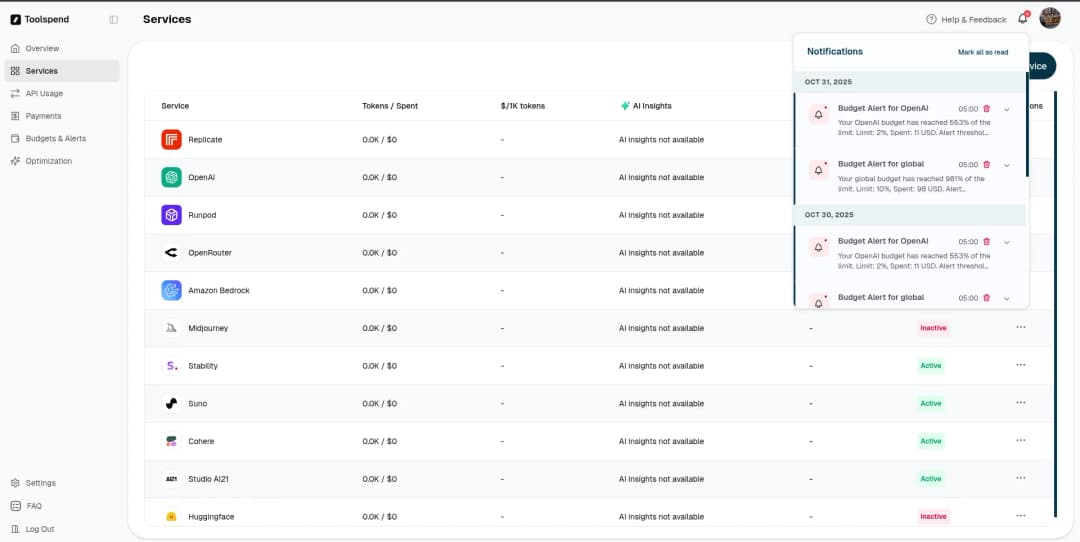
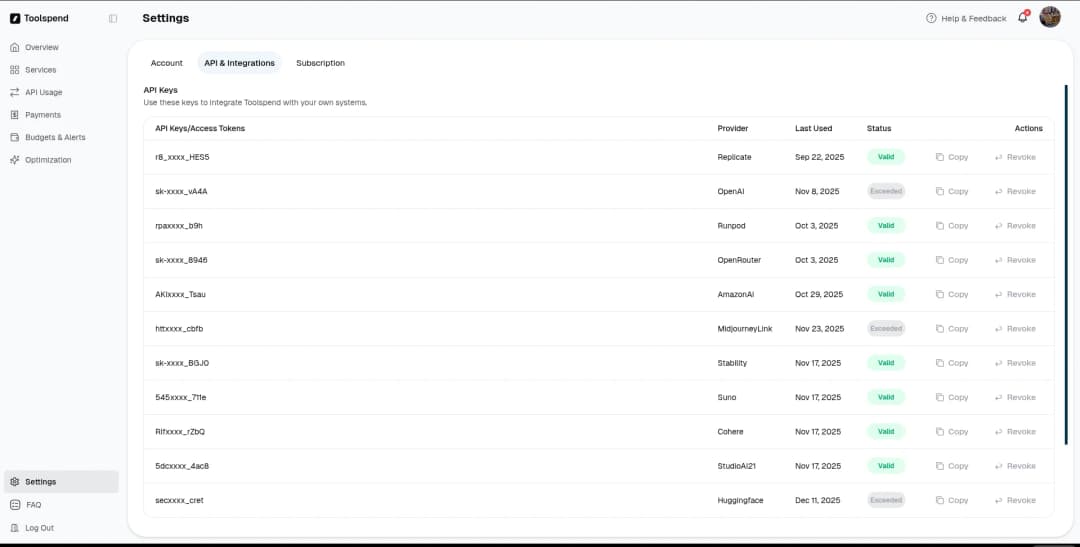
Connect and monitor usage across 15+ AI providers including OpenAI, Google AI, Azure, Amazon Bedrock, and Replicate.
Real-time Anomaly Detection
Advanced algorithms detect unusual spending patterns and usage spikes with 99.9% accuracy.
Financial Integration
Plaid integration for accurate cost tracking and reconciliation with financial systems.
Intelligent Optimization
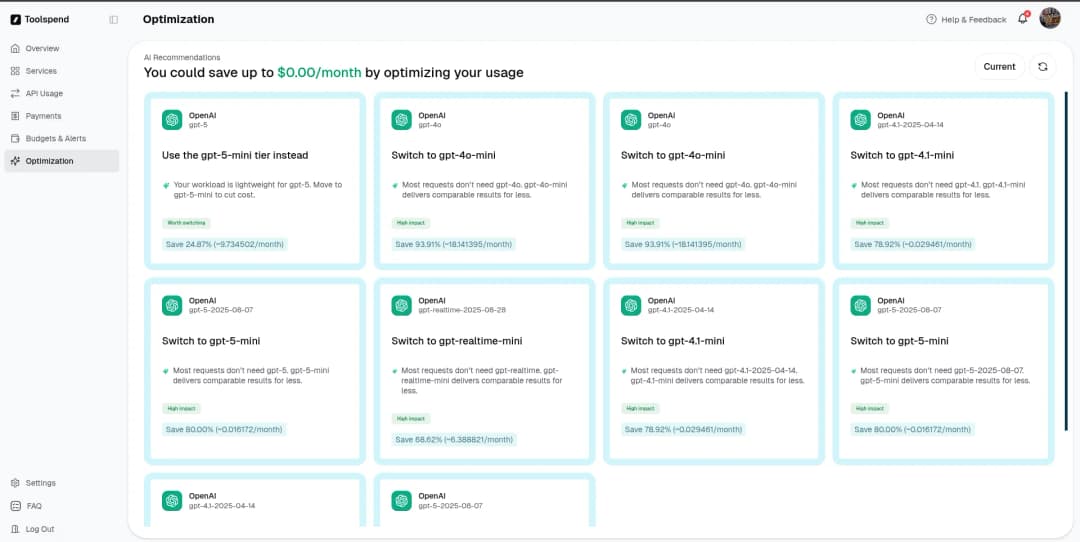
AI-powered recommendations for cost optimization, including model switching and usage pattern improvements.
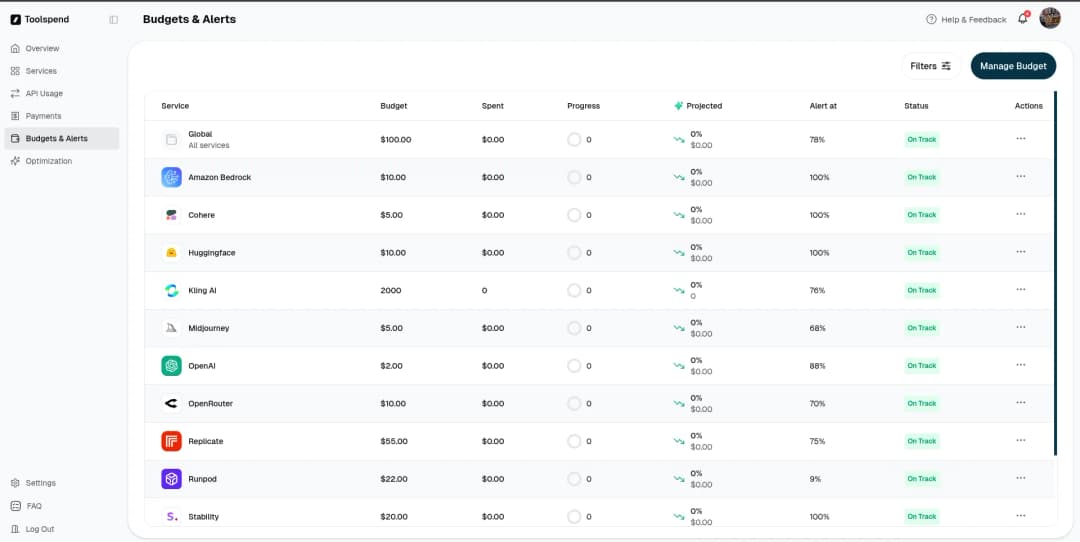
Budget Management
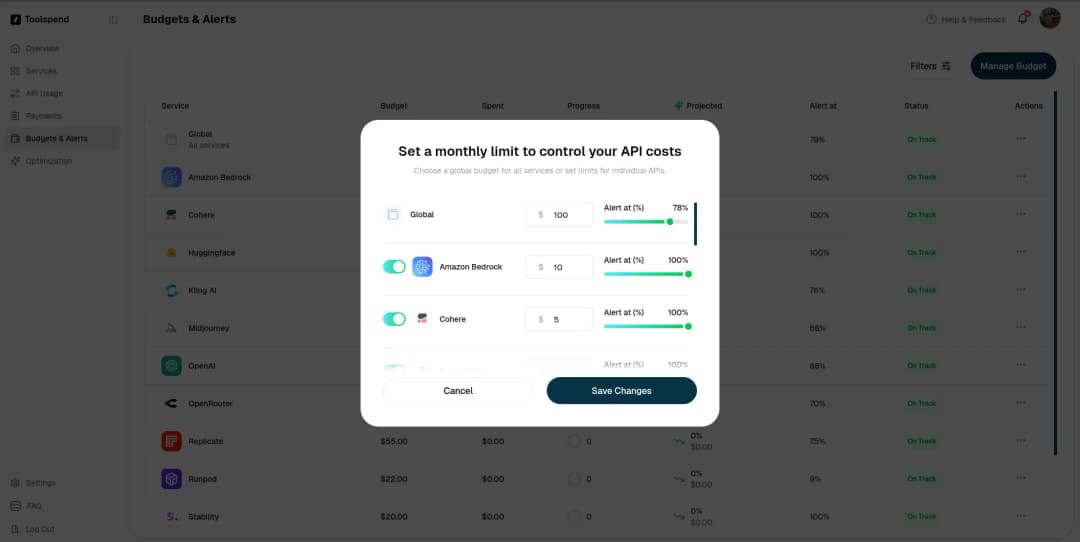
Set budgets for individual services and receive automated alerts when thresholds are approached.
Comprehensive Reporting
Detailed dashboards and reports for finance and engineering teams to understand AI spending.
Business Impact
Technologies
Technical Architecture
The platform follows a modern micro-frontend architecture with a central API gateway. The frontend is built with React and Redux for state management, with RTK Query for data fetching. The backend consists of multiple microservices handling different AI provider integrations, anomaly detection, and financial data processing. Real-time features are implemented using WebSockets.
Key Technical Challenges
- •Managed complex real-time financial data feeds via WebSockets, ensuring absolute UI accuracy for token prices and payout calculations.
- •Implemented strict frontend security measures, secure JWT token handling in memory, and role-based access control (RBAC) for safe financial operations.
- •Built interactive and highly responsive financial charts/dashboards, optimizing component re-renders during high-frequency data updates.
Project Gallery
Interested in the technical details?
Let's discuss the frontend architecture, complex state management, and rendering optimization techniques behind this project. I'm open to exploring new engineering opportunities.
Let's Talk Code